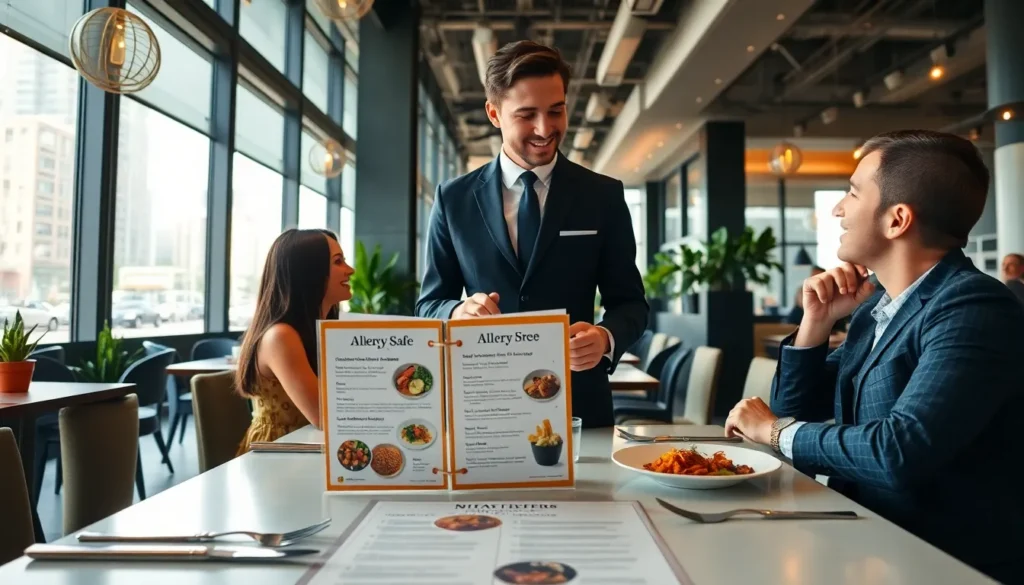

Imagine this: you’re sitting on your couch, a bowl of popcorn in hand, when a food travel show comes on. Suddenly, you’re whisked away to the bustling street markets of Bangkok or the quaint vineyards of Tuscany. Food travel shows aren’t just about cooking: they serve up eye-candy destinations, tantalizing dishes, and cultural insights that can make anyone hungry for adventure. With a sprinkle of humor and a dash of culinary expertise, these shows have revolutionized how people think about food and travel. Buckle up your taste buds and get ready for a journey that might just inspire your next getaway.
The Rise of Food Travel Shows
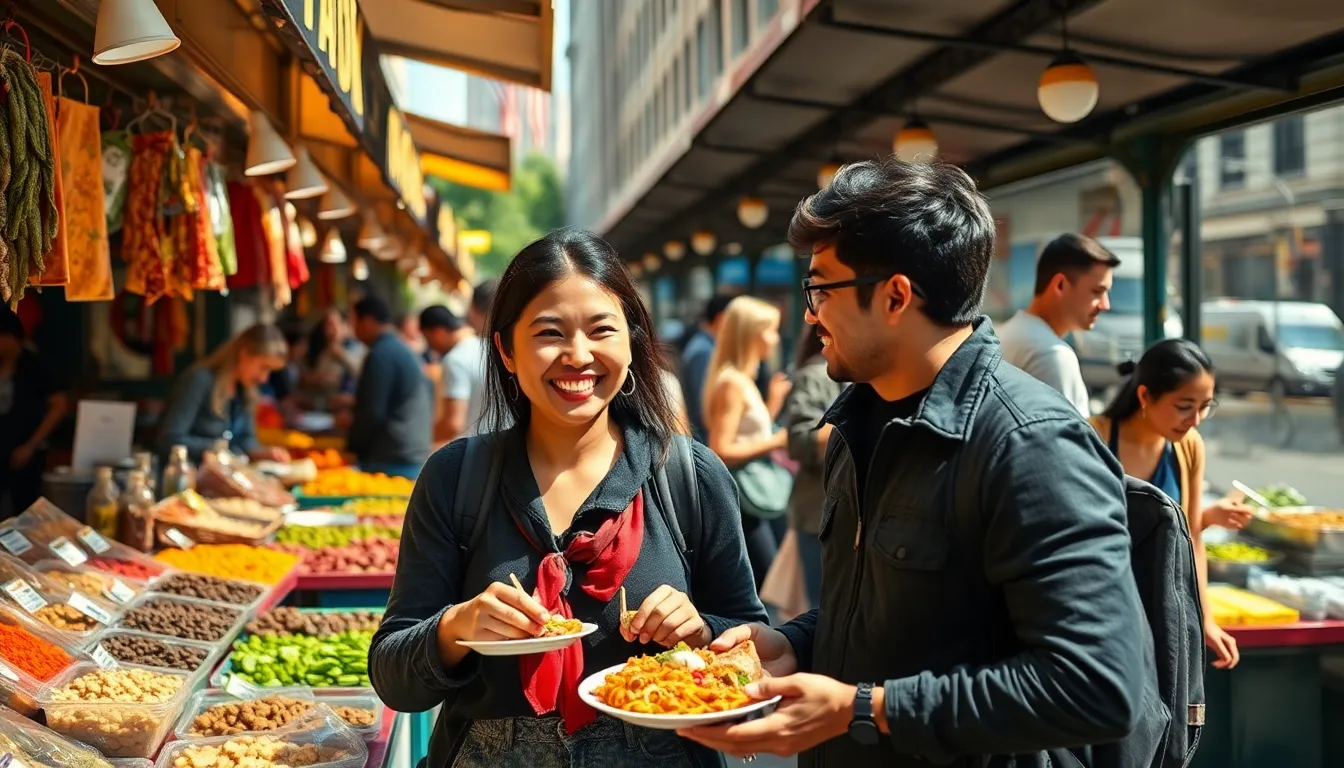
In recent years, food travel shows have exploded in popularity. Viewers tune in not just for recipes, but for a glimpse into different cultures through their cuisines. This surge can be traced back to programs like Anthony Bourdain’s “No Reservations,” which combined travel and culinary exploration in a way that felt spontaneous and real. Such shows prime viewers for a different kind of tourism, culinary tourism, where the dishes served become as essential as the destinations themselves.
As lifestyle changes encourage people to seek new experiences, the marriage of travel and food proves irresistible. Reality TV formats and social media have amplified this phenomenon: influencers share their gastronomic adventures, further enticing audiences. Nowadays, anyone can subscribe to streaming services and binge-watch entire seasons dedicated to culinary journeys. The notion of traveling the world through food has never been more accessible.
Impact on Culinary Tourism
The impact of food travel shows on culinary tourism is nothing short of transformative. More and more tourists are now planning trips specifically around unique food experiences. Cities known for their culinary prowess, like Tokyo or Barcelona, have seen significant spikes in tourism as food lovers flock to sample local delights showcased in popular programs.
Food has the unique ability to connect cultures and people, and food travel shows accentuate this bond. Destinations featured in these shows often experience a noticeable rise in visitors eager to savor the dishes they’ve seen on screen. It’s become a sort of cultural exchange: tourists aren’t just tasting the food, they’re immersing themselves in the cultural significance behind it.
Also, local economies gain from this trend. Restaurants, food markets, and tour operators all benefit from the increased foot traffic. Culinary tourism has so evolved into a substantial economic driver for many regions, creating jobs and fostering the growth of local businesses.
Popular Food Travel Shows to Watch
Looking for shows that ignite your wanderlust while showcasing the best of global culinary delights? Here are a few that stand out:
- Anthony Bourdain: Parts Unknown – Following the late, great Anthony Bourdain, this series blends social commentary with culinary exploration, immersing viewers in the culture of diverse locations.
- Chef’s Table – A visually stunning series that digs deep into the lives of renowned chefs from around the world, showcasing not only their culinary masterpieces but the stories behind them.
- Bizarre Foods with Andrew Zimmern – For the adventurous eater, Zimmern explores unusual dishes that reflect the local culture, often pushing the boundaries of familiar palates.
- Somebody Feed Phil – Phil Rosenthal’s lighthearted approach to food and travel mingles humor with inspiring stories, making it perfect for a relaxed evening binge.
- Street Food: Asia – This series dives into the vibrant street food culture, showcasing beloved local dishes and the passionate people behind them, giving a heartfelt touch to each story.
These shows not only entertain but also educate, helping viewers appreciate food’s role as a cultural ambassador.
Cultural Significance of Food in Travel
Food serves as a cultural ambassador as travelers embark on culinary journeys. It opens doors to understanding a community’s traditions, values, and history. Each dish tells a story, rooted in local ingredients, recipes passed down through generations, and even historical events.
For instance, consider the dish ramen in Japan. It’s not just a bowl of noodles: it’s linked to the nation’s cultural evolution and influences from neighboring countries. Traveling through food allows individuals to gain insights into a culture they might not fully grasp through sights alone.
Besides, sharing meals can create bonds between people from vastly different backgrounds. In many cultures, food is synonymous with hospitality. Breaking bread can lead to conversations that might not happen in other contexts, fostering friendships and understanding among travelers and locals alike. Food travel shows shine a light on this invaluable aspect of travel, encouraging viewers to dive deeper into the culinary narratives of their destinations.
How to Prepare for a Food Travel Show Experience
Preparing for a food travel show experience goes beyond just knowing where to go or what to eat. Here are some essential tips to ensure you don’t miss out on the culinary adventures available:
- Research the Cuisine: Understand the basics of the regional cuisine you’re exploring. Knowing a few key dishes can enhance your experience and respect for local traditions.
- Be Open-Minded: Embrace the unexpected. Sometimes, the best dishes are those you wouldn’t ordinarily try. Consider consuming local specialties, even if they sound a bit unusual.
- Engage with Locals: Don’t shy away from conversing with local chefs or vendors. They often have invaluable insights and stories to share about the food they serve.
- Document Your Journey: Capture your experiences, whether through journaling or photography. This helps preserve your memories and perhaps even inspires future food travel episodes for your own audience.
- Stay Curious: Food is just one aspect of a culture, so stay curious about everything around you. Take in the sights, sounds, and scents of your environment. This holistic approach makes the experience richer.
The Future of Food Travel Shows
As we dive deeper into a new era of travel and entertainment, food travel shows continue to evolve. Food sustainability and environmental consciousness are becoming crucial themes. Viewers are increasingly mindful of where their food comes from and are drawn to shows featuring local produce, sustainability efforts, and eco-friendly practices.
Also, with the rise of virtual travel experiences, food shows may begin to incorporate augmented reality components, giving viewers a more immersive experience without needing to leave their homes. Imagine tasting a dish through an interactive screen. This fusion of technology and culinary exploration could redefine how people engage with food travel shows.
Viewers will also likely see more diverse hosts and representations of cuisines around the world, providing a fuller spectrum of culinary experiences. As demands for authenticity and inclusivity grow, the future is bright for food travel shows.